Take Your Camper
to Iceland by Ferry
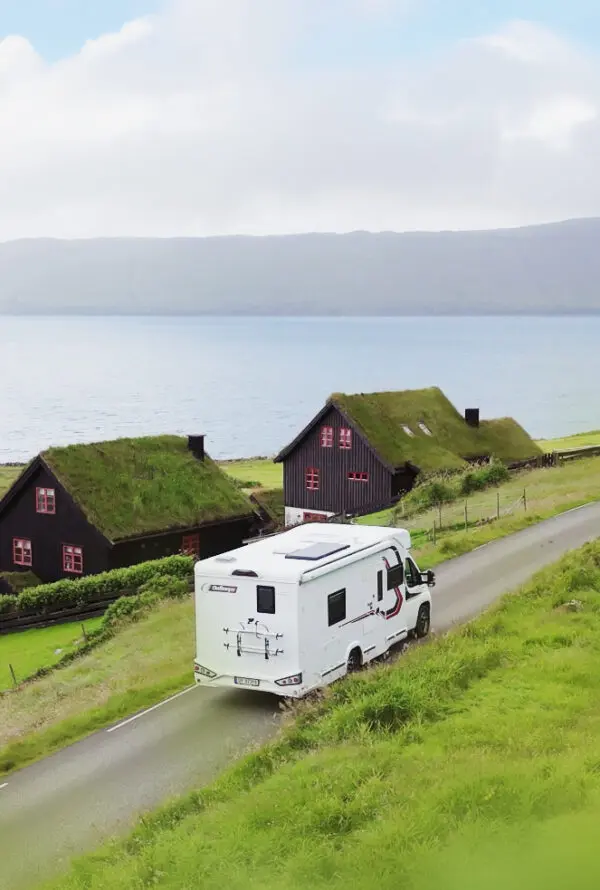
Explore Iceland with your own campervan or motorhome
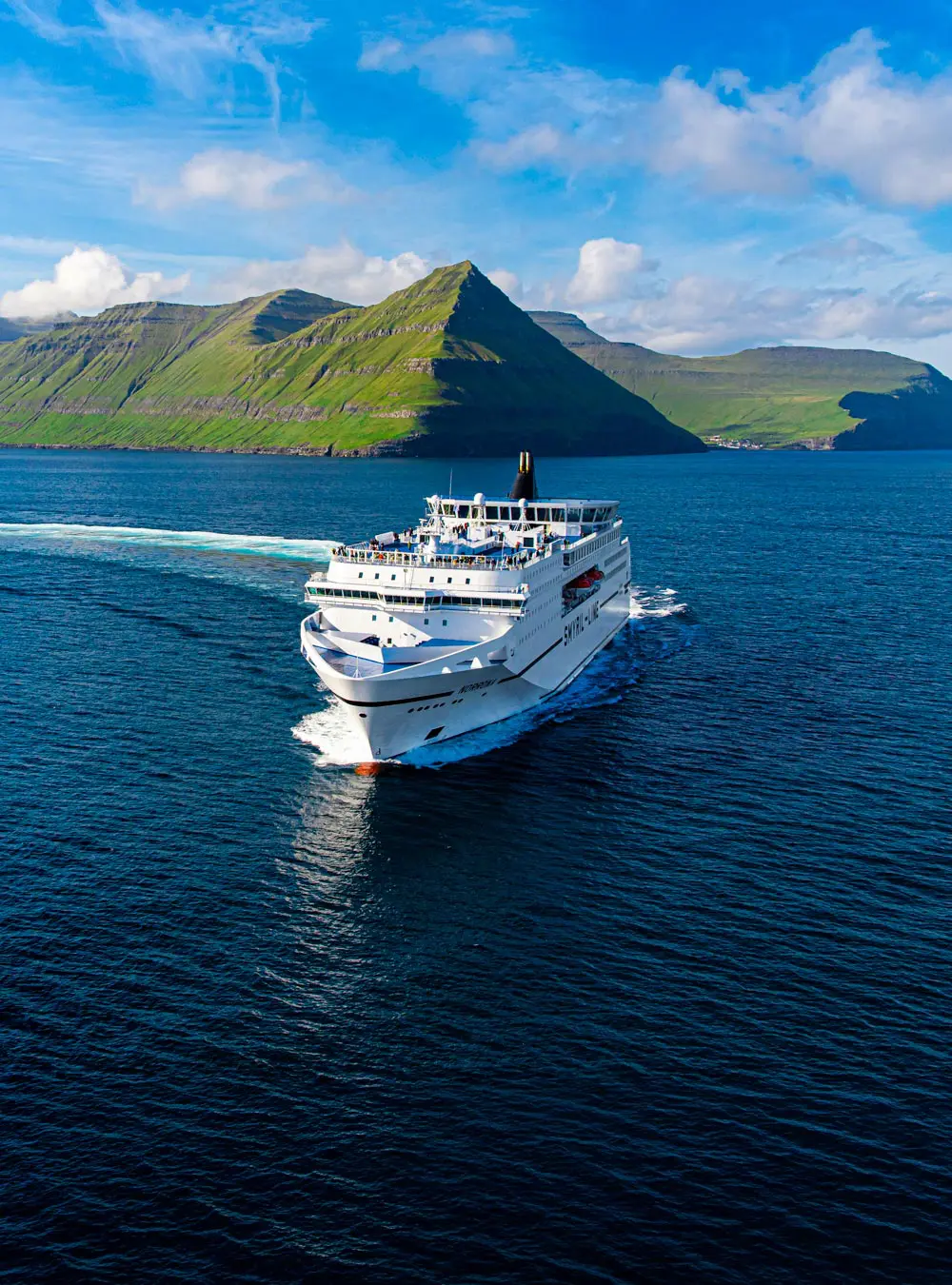
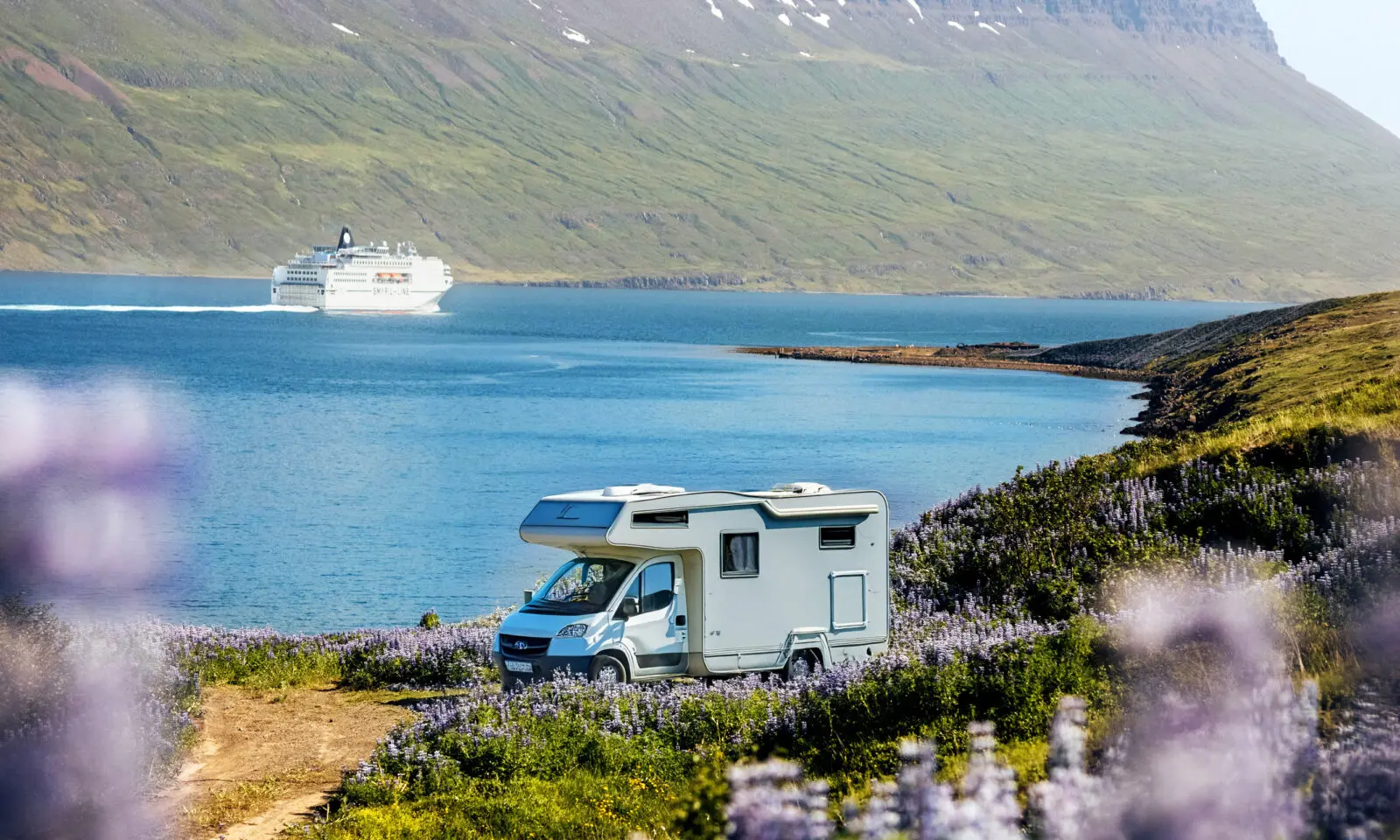
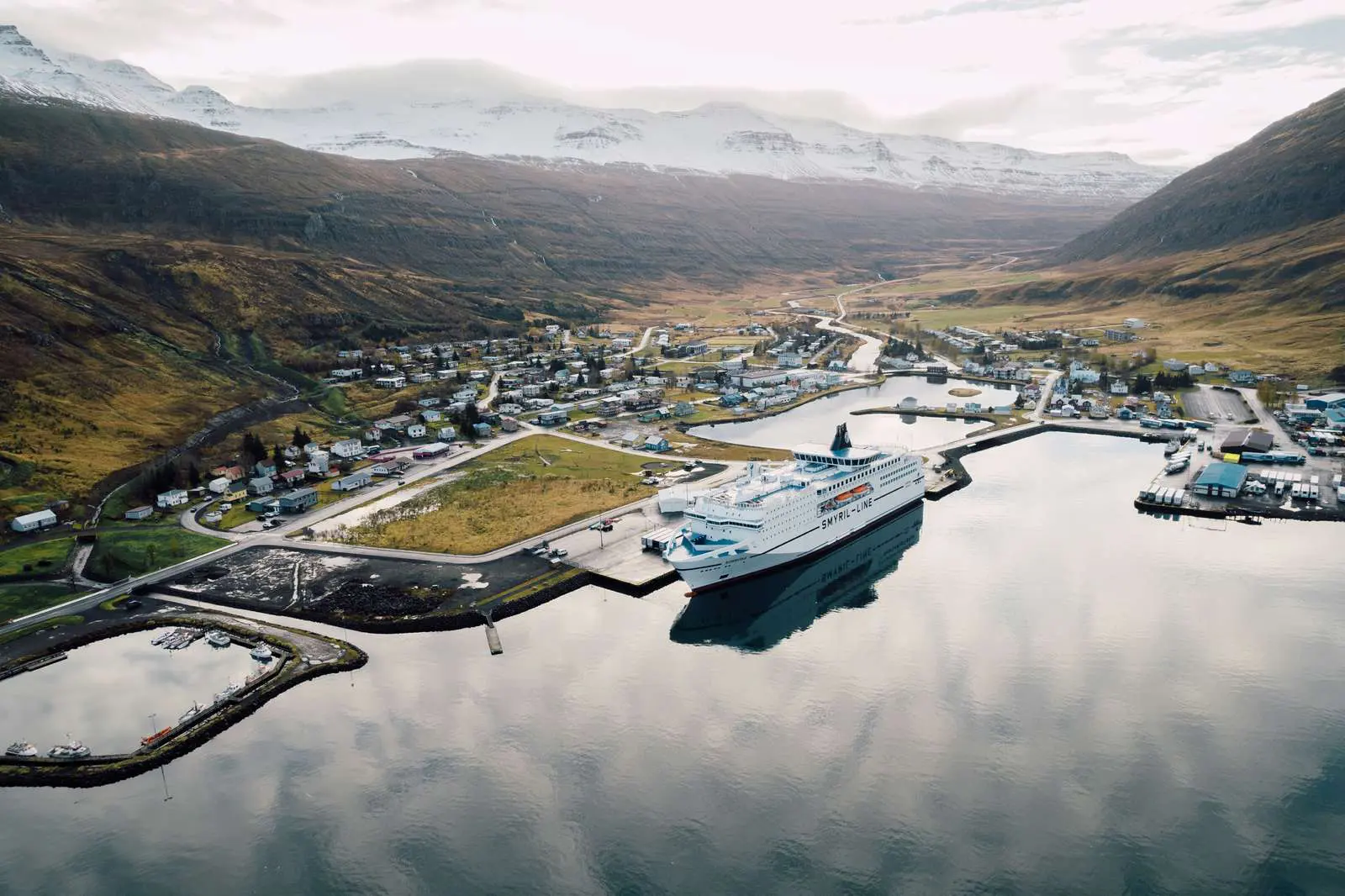
Planning to take your camper to Iceland? With Smyril Line, you can bring your own campervan or motorhome aboard MS Norröna and travel by ferry from Hirtshals in Denmark to Seyðisfjörður in East Iceland, via the Faroe Islands.
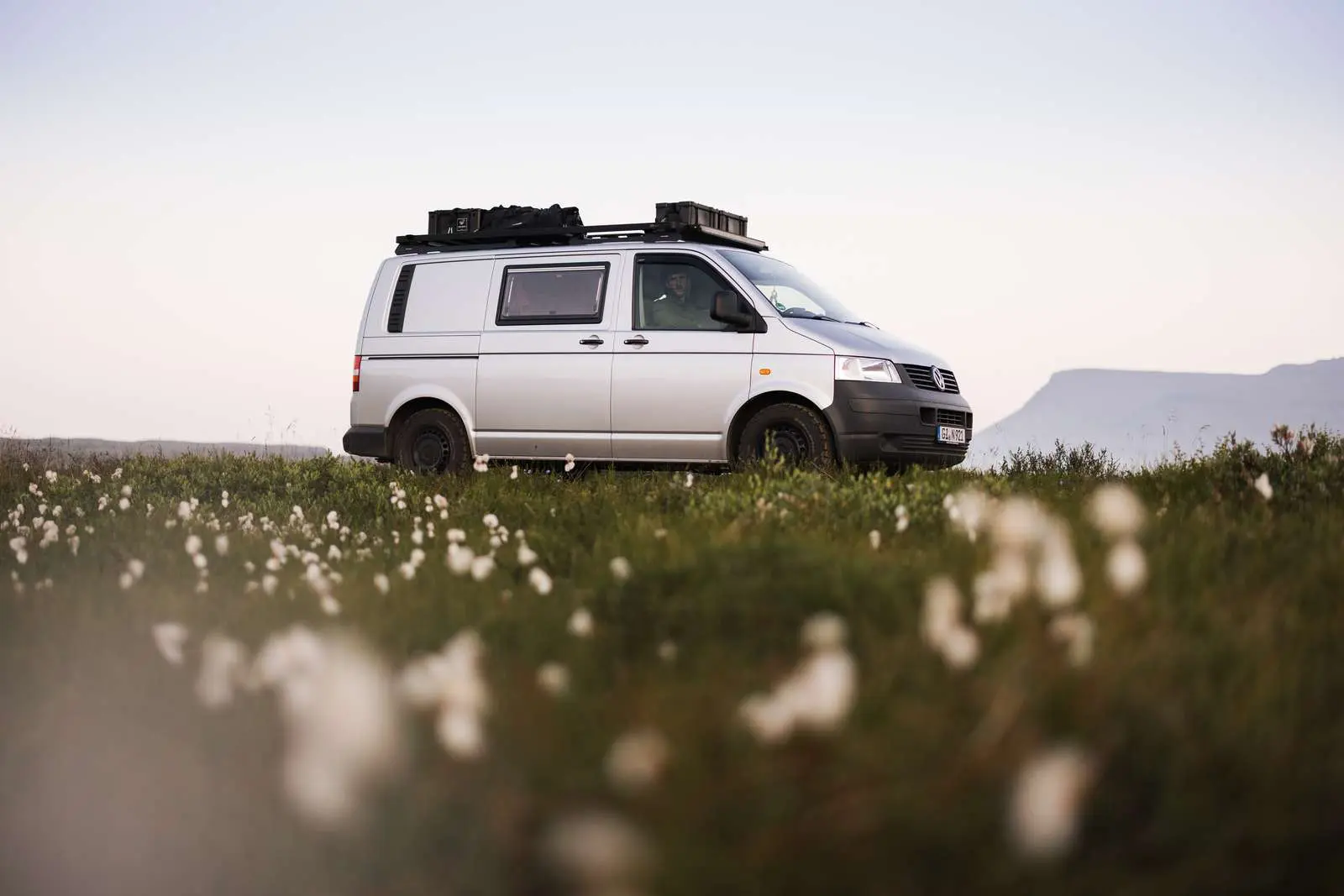
Travelling with your own camper gives you the freedom to discover Iceland at your own pace. Explore breathtaking landscapes, waterfalls, glaciers and scenic coastal roads, with everything you need for your adventure already onboard your vehicle.
Start planning your Iceland camper holiday and discover the freedom of travelling with your own home on wheels.
Made for
Camper Holidays
Some holidays are carefully planned. Others are guided by the weather, the landscape and the freedom to change direction whenever you feel like it.
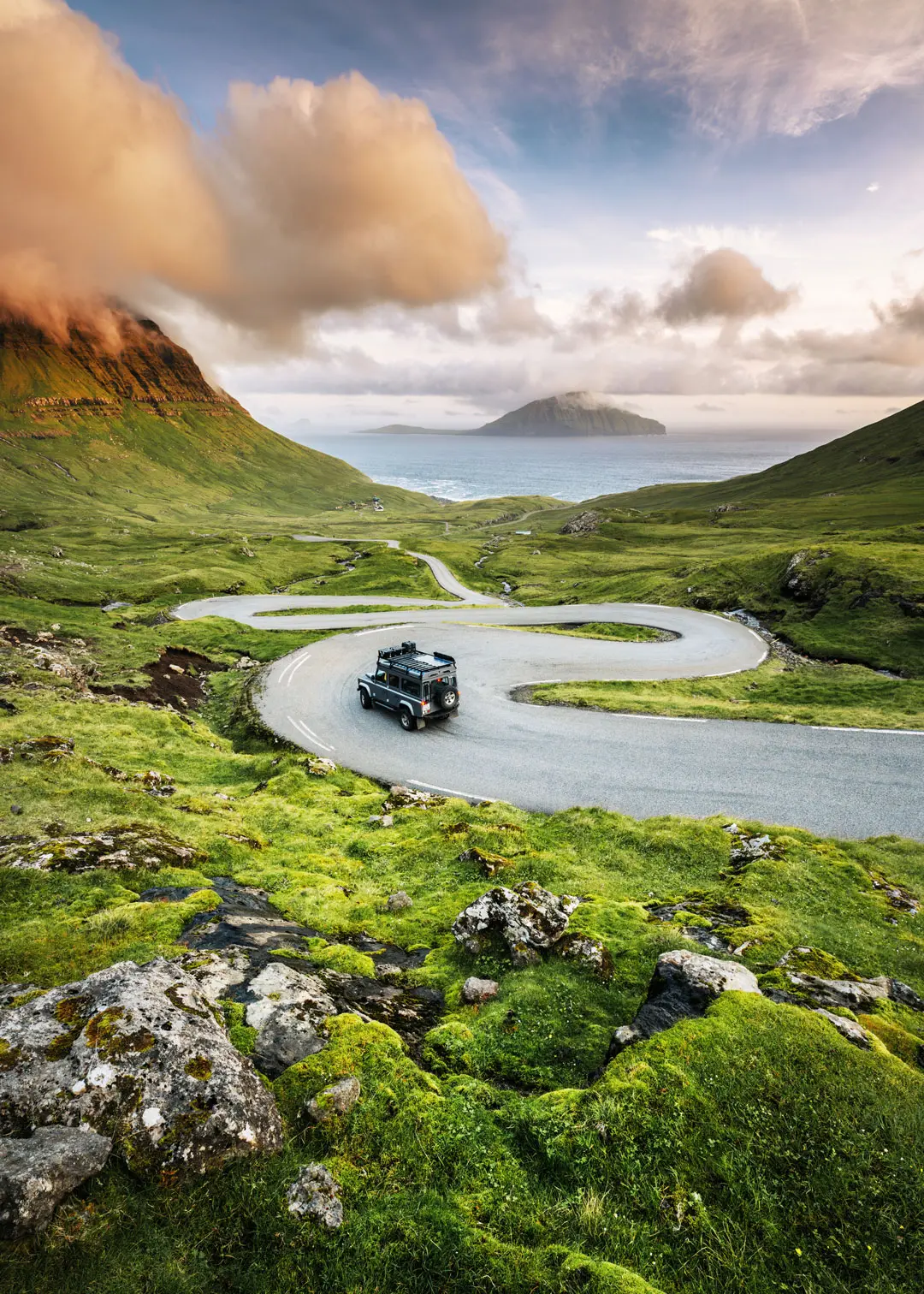
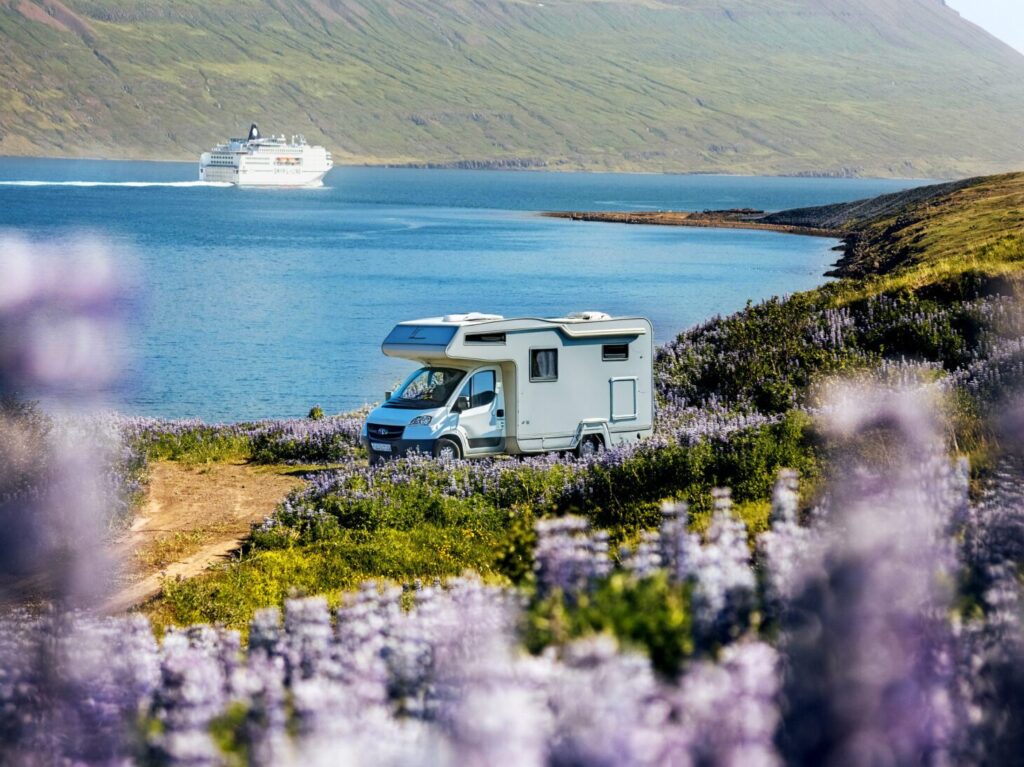
Iceland is made for camper holidays. Scenic roads lead through ever-changing landscapes, from peaceful fjords and colourful fishing villages to glacier lagoons, black sand beaches, waterfalls and geothermal areas. A well-developed network of campsites makes it easy to explore the country one day at a time, with each stop offering a different view.
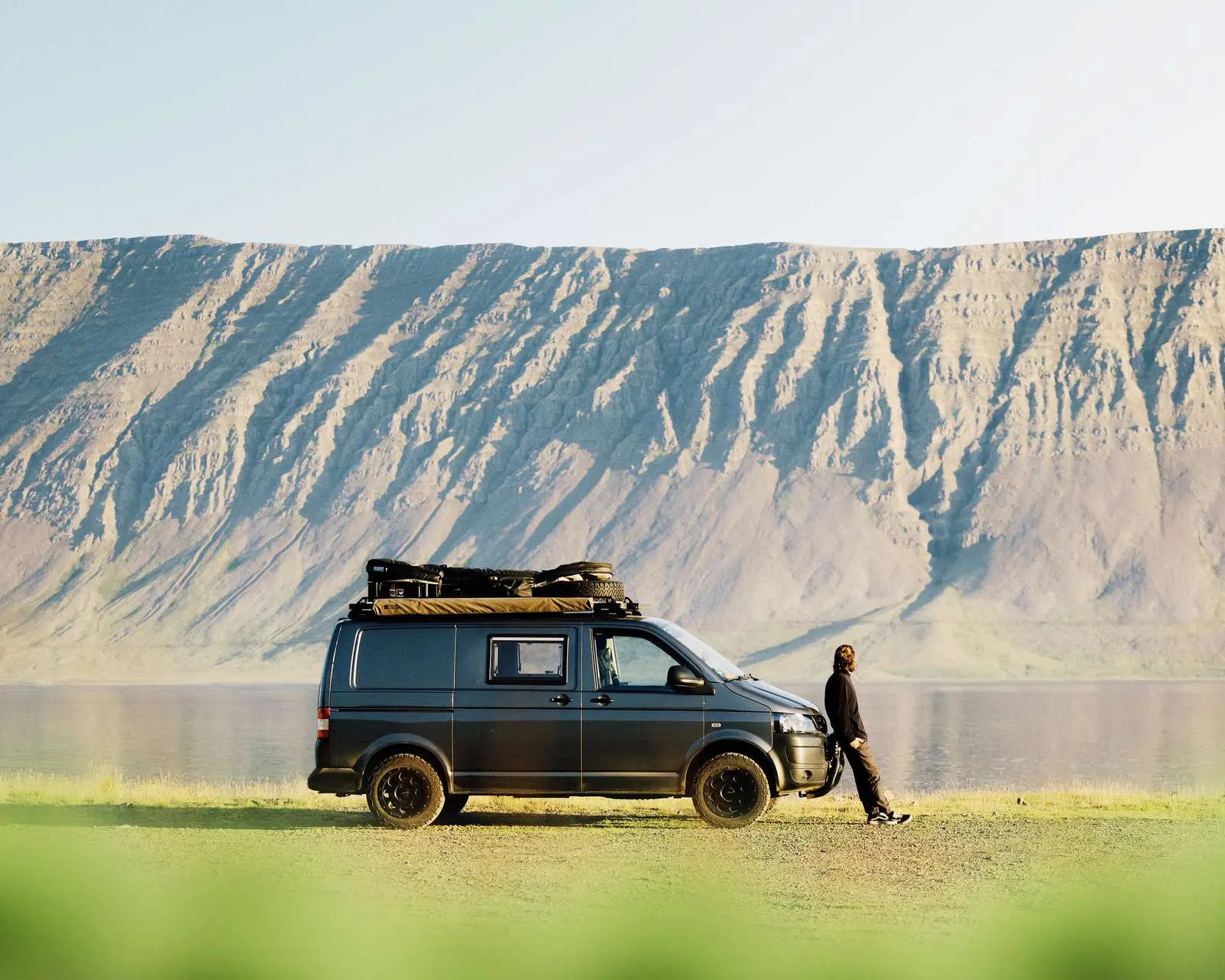
Travelling by camper lets you experience Iceland differently. Spend the evening taking in the views, enjoy breakfast surrounded by mountains or stay an extra night when you’ve found a place you don’t want to leave. With your accommodation always with you, every stop becomes part of the experience, whether you’re staying for a night or a little longer.
Whether you’re visiting for two or four weeks, every morning begins with a new landscape just outside your door.
Why Bring Your Own
Camper to Iceland?
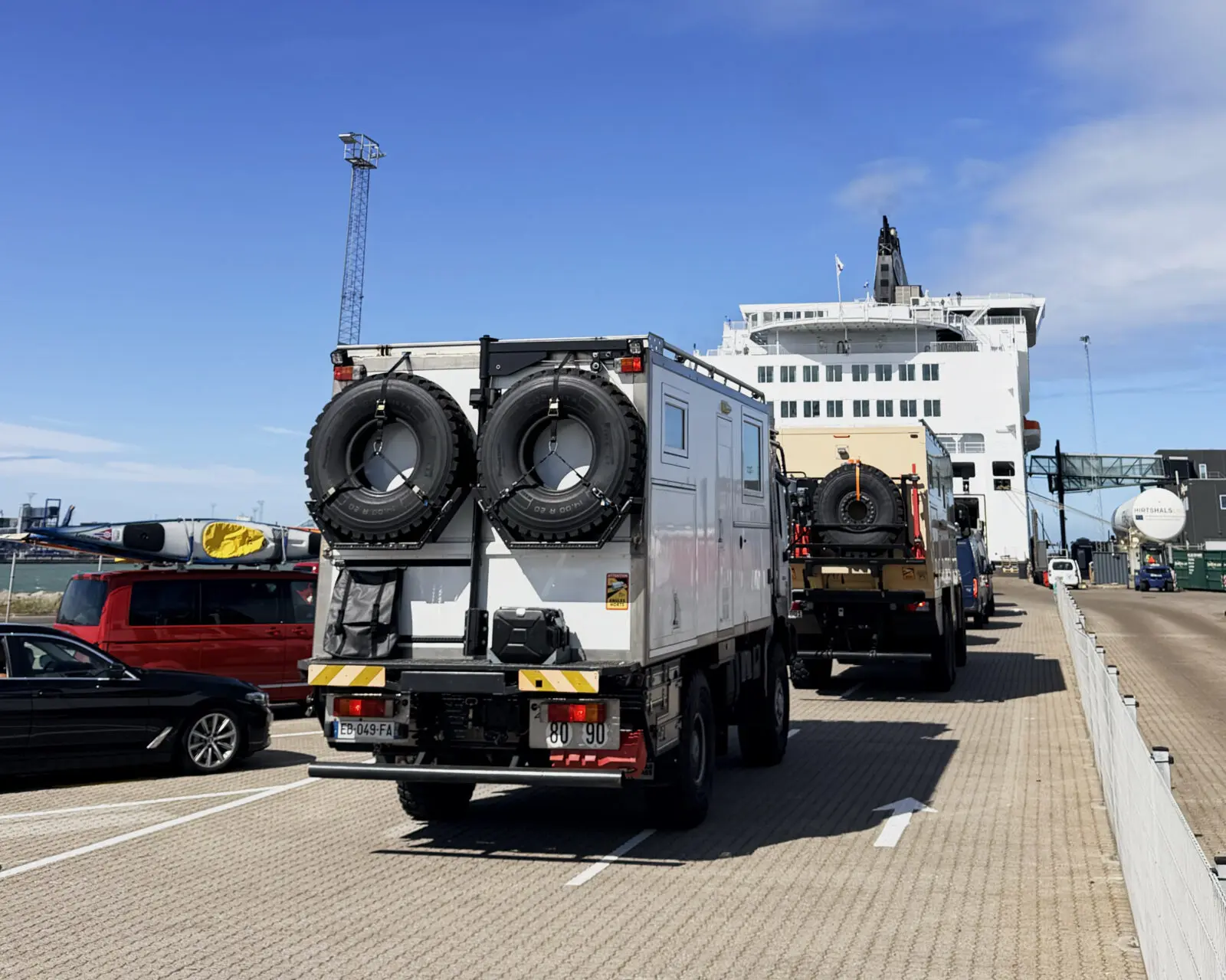
Travelling with your own camper by ferry with Smyril Line means enjoying the comfort of a familiar vehicle, equipped exactly the way you like it. There’s no need to adapt to a rental vehicle or worry about airline baggage restrictions. Everything you need for your Iceland adventure is already with you.
Your holiday begins the moment you step aboard MS Norröna. Relax and enjoy the ferry crossing before arriving in Seyðisfjörður, ready to explore Iceland at your own pace.
The Benefits of Travelling
With Your Own Camper
- Travel in the comfort of your own familiar vehicle.
- Bring your personal belongings and camping equipment.
- Avoid camper rental pick-up and return.
- Explore Iceland at your own pace.
- Begin your adventure as soon as you arrive in East Iceland.
How Long
Will You Stay?
Most camper travellers spend between two and four weeks exploring Iceland. However long you stay, travelling with your own camper allows you to slow down and experience the country one day at a time. Here are some ideas to help you make the most of your journey.
Two Weeks
The Classic Camper Journey
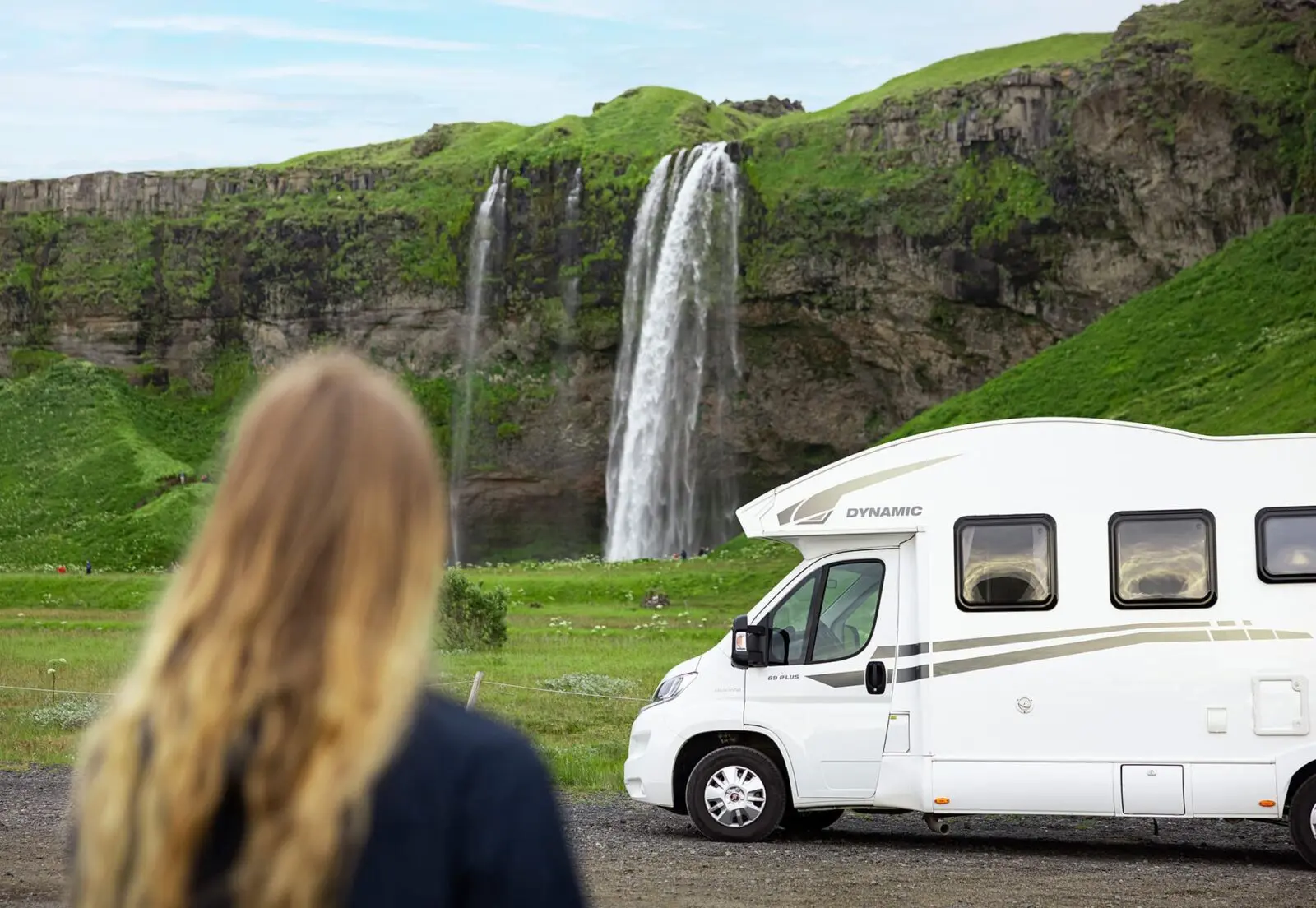
Travelling to Iceland in your own camper gives you the freedom to slow down and experience more. Two weeks is the ideal amount of time to experience Iceland by camper. Here are a few ideas to inspire your journey.
Ideal for:
- First-time visitors
- Couples
- Families
- Nature lovers
Three Weeks
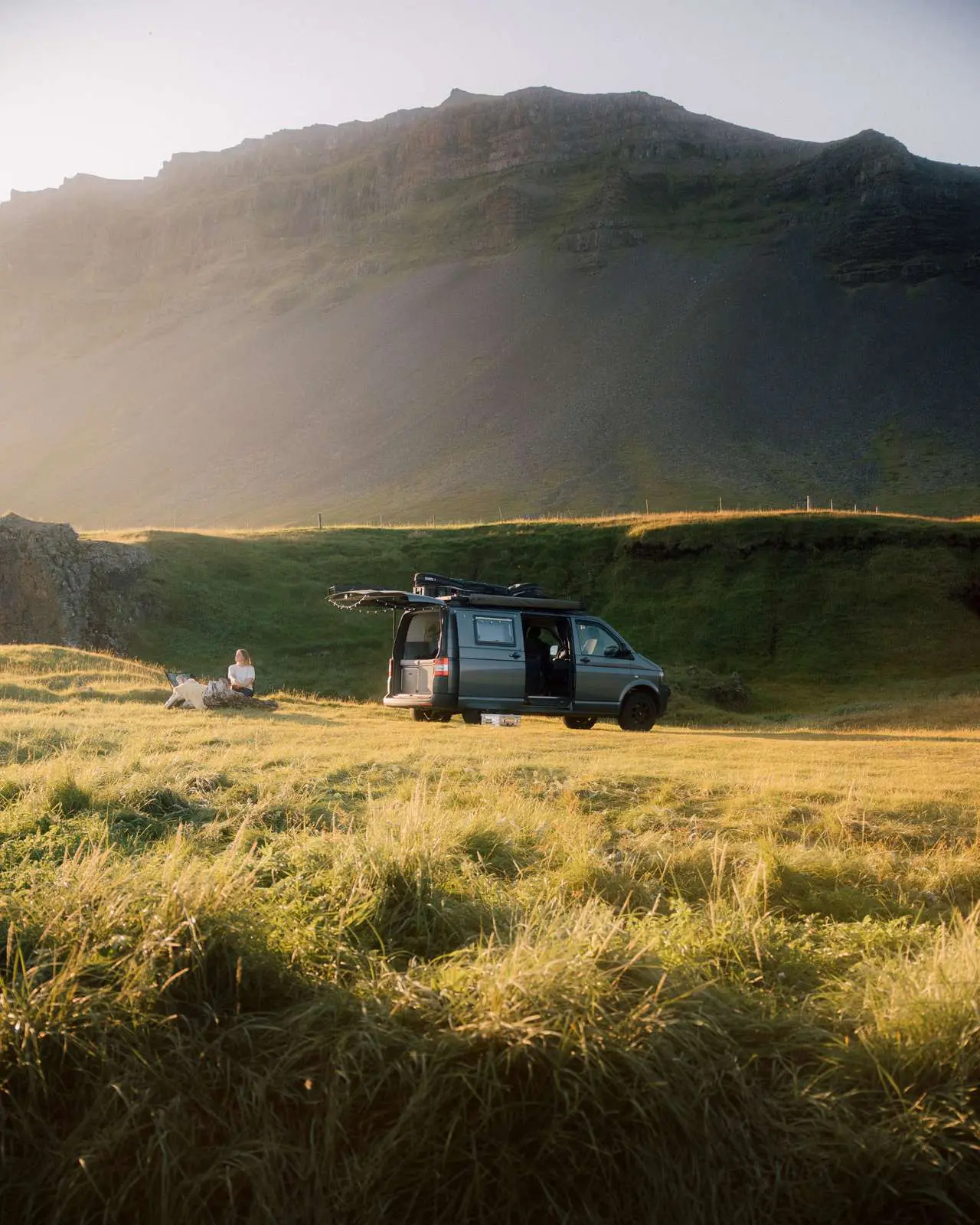
See More, Rush Less
With three weeks, you can travel at a slower pace and spend longer in the places you enjoy most. Explore the Westfjords, discover quieter regions and experience Iceland beyond the most popular attractions.
Ideal for:
- Returning visitors
- Slow travellers
- Photographers
- Hikers
Four Weeks
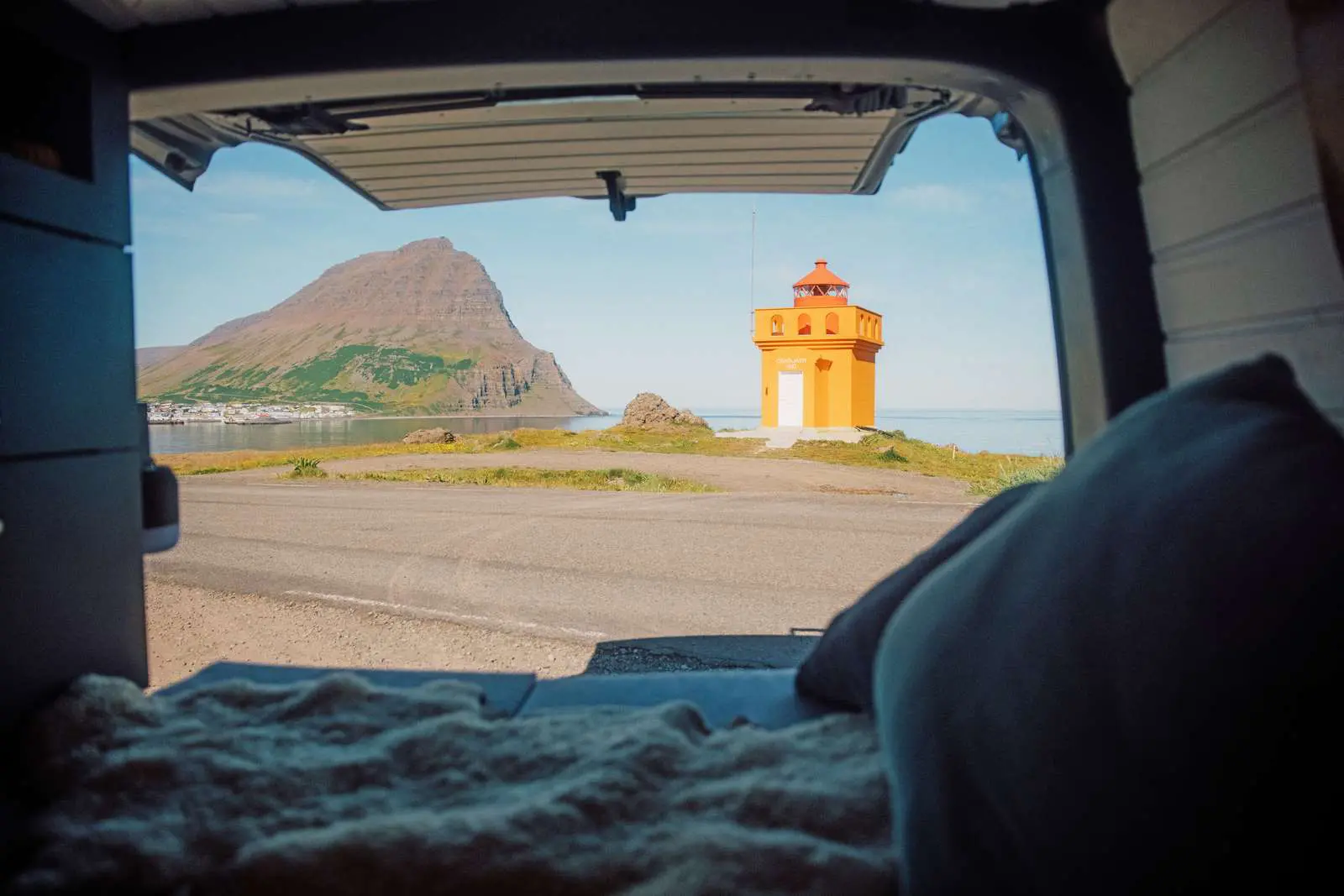
The Ultimate Camper Adventure
A four-week camper holiday gives you the freedom to experience Iceland without watching the clock. Follow the seasons, revisit favourite places and, if travelling in a suitable 4×4 camper, venture into the Highlands during summer.
Ideal for:
- Extended holidays
- Couples
- Outdoor enthusiasts
- Travellers seeking flexibility
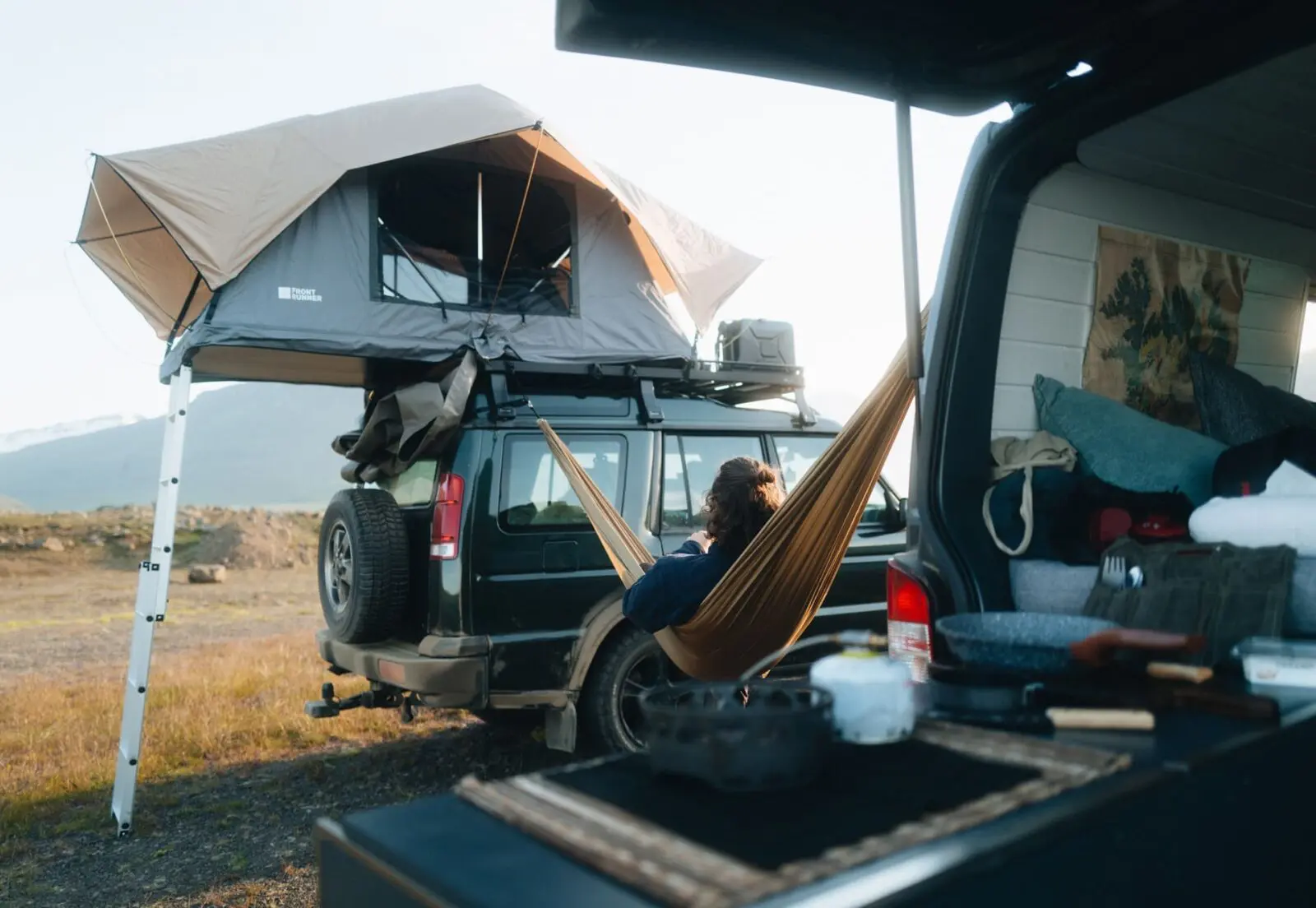
Camping in Iceland
Camping is one of the best ways to experience Iceland, with hundreds of campsites across the country. From simple countryside sites to campsites with electricity, showers, kitchens and laundry facilities, there’s something to suit every style of camper holiday.
During the summer months, it’s worth planning ahead for popular campsites. Travelling in your own camper also gives you the flexibility to adjust your route and discover quieter places along the way.
Wild camping is restricted in Iceland, and overnight stays should generally take place at designated campsites unless you have permission from the landowner. We recommend checking the latest camping regulations before travelling.
Find Campsites in Iceland
Planning where to stay? The Campingcard gives you access to a selection of campsites across Iceland for a fixed price, making it a convenient option for your camper holiday.
Life on the Road
Some of the best moments on a camper holiday aren’t found in guidebooks.
They’re the quiet morning coffee overlooking a fjord. The picnic beside a waterfall you hadn’t planned to visit. The long summer evenings spent outdoors or, later in the season, searching the sky for the Northern Lights.
Travelling by camper encourages you to enjoy the journey as much as the destinations. Often, it’s the unplanned stops and quiet moments that become the memories you’ll remember most.
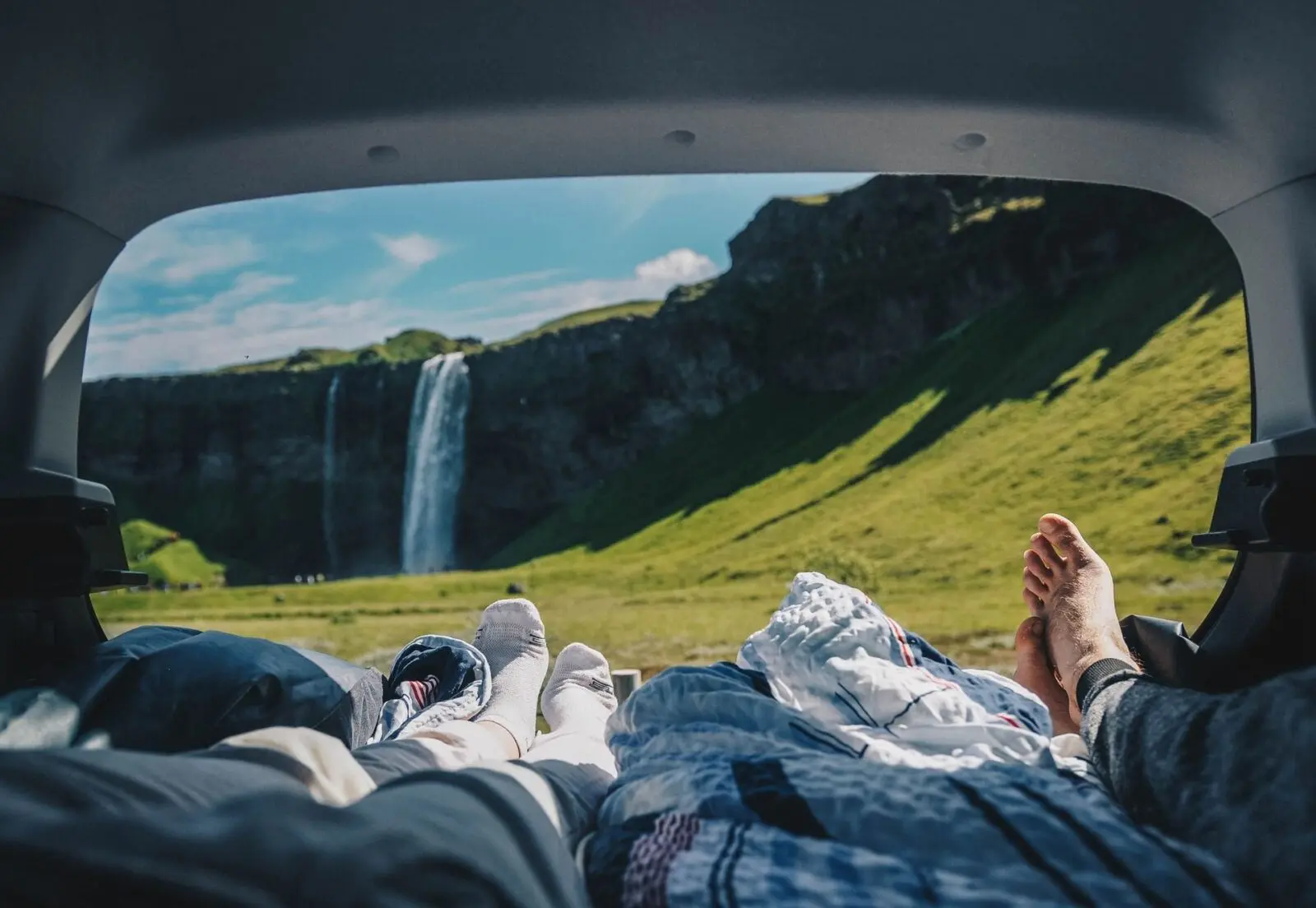
Discover Iceland
From breathtaking landscapes to relaxing baths – find your perfect Icelandic adventure.


Start in
East Iceland
Your adventure begins in the peaceful harbour town of Seyðisfjörður.
East Iceland is the perfect place to settle into life of camper travel. Quiet roads, spectacular fjords and welcoming villages invite you to take your time from the very beginning. Spend the day exploring Hengifoss, visit the striking basalt columns of Stuðlagil Canyon, relax at Vök Baths, or simply follow the winding roads through the charming villages of the Eastfjords before finding a campsite with a view.
Starting in East Iceland gives you time to settle into the journey and discover one of the country’s most peaceful and authentic regions before continuing your adventure around Iceland.
Practical Information
A little planning before you travel will help you make the most of your camper holiday in Iceland.
Before you travel, it’s worth checking:
- Campsite opening dates
- Road and weather conditions
- Electricity requirements
- Availability of fresh water and waste disposal facilities at campsites
- Gas availability
- Your camper’s dimensions when booking your ferry crossing
Even with a well-planned route, it’s worth leaving room for the unexpected. Iceland’s weather can change quickly, and some of the most memorable moments come from staying a little longer or taking a road you hadn’t planned to follow.
Planning Your
Camper Holiday

Best Time to Visit
Late spring to early autumn offers the best conditions for camper travel, with long daylight hours, open campsites and access to most roads.
Campsites
Campsites are located throughout Iceland, ranging from simple sites to larger campsites with showers, electricity and other facilities.

Weather
Weather conditions can change quickly. Pack for changing conditions and leave room for flexibility in your itinerary.
Roads
Most campers are ideal for the Ring Road and other public roads. F-roads are only suitable for approved 4×4 vehicles and are generally open during the summer months.

Driving Distances
Although distances may seem short on a map, Iceland is best experienced at a relaxed pace. Allow plenty of time for sightseeing, hikes and spontaneous stops along the way.

What to Pack
· Warm layers
· Waterproof clothing
· Hiking shoes
· Swimwear
· Power bank
Why Travel by Ferry?
Travelling with Norröna is about more than reaching your destination. The crossing becomes part of the holiday, giving you time to relax, enjoy life onboard and arrive refreshed for the experiences ahead.
Stay in comfortable cabins, enjoy good food and panoramic sea views – and, if you choose, include a stop in the Faroe Islands along the way. Arrive in Seyðisfjörður ready to begin your camper adventure through Iceland.


FAQ
Ferry to Iceland: route and travel time
How long does the ferry from Denmark to Iceland take?
The sailing from Hirtshals, Denmark to Seyðisfjörður, Iceland takes approximately 2 days and 16 hours. If you stop over in the Faroe Islands, the total journey time will be longer depending on how long you choose to stay.
Where does the ferry to Iceland depart from, and where does it arrive?
The ferry departs from Hirtshals in northern Denmark and arrives in Seyðisfjörður in East Iceland. On the way, the route passes through the Faroe Islands, where a stopover is possible.
How often does the ferry sail to Iceland?
The ferry sails weekly from April to mid November. During the summer months there are two weekly departures from Denmark to the Faroe Islands, with one of these continuing to Iceland.
For exact departure dates and times, please see our sailing schedule.
Travelling with your camper
Can I bring my own camper to Iceland?
Yes. Bring your own camper aboard Norröna and begin your Iceland adventure as soon as you arrive in Seyðisfjörður. Travelling in your own vehicle gives you the freedom to explore the country at your own pace and with all the comforts of home.
Why bring my own camper instead of renting one in Iceland?
Travelling in your own camper means you’re ready to start exploring as soon as you arrive in Iceland. Everything is already packed and exactly where you want it. Simply drive off and enjoy the freedom to experience Iceland at your own pace.
What types of campers can I bring aboard Norröna?
Norröna accommodates a wide range of campervans and motorhomes. Simply enter your vehicle’s dimensions when booking to receive the correct fare.
When is the best time to travel to Iceland in a camper?
The camping season typically runs from late spring to early autumn. During these months, you’ll enjoy longer days, milder temperatures and access to most roads and campsites.
Do I need to register my camper before travelling to Iceland?
Yes. All foreign-registered vehicles must be registered with Icelandic Customs before arrival. You are required to complete the E9 temporary import declaration. Instructions and a registration link will be sent to you by Icelandic Customs approximately 30 days before departure. Read more about Vehicle Import & Road Use in Iceland.
Do I need to pay a road-use fee in Iceland?
Yes. From 1 January 2026, Iceland has introduced a road-use fee for all vehicles, including foreign-registered campers and motorhomes. The fee depends on your vehicle and the length of your stay. Read more about Vehicle Import & Road Use in Iceland.
On board with your camper
Can I use electricity in my camper during the crossing?
No. Charging of batteries in campers, motorhomes and caravans is not permitted while on board. For safety reasons, the vehicle deck remains closed during the crossing, so remember to bring everything you need for your stay on board before departure.
Can I use the gas in my camper during the crossing?
No. Gas appliances must not be used while on board. You may bring gas cylinders, but they must be declared at check-in and remain switched off during the crossing. Specific safety regulations and quantity restrictions apply. For more information, please see our Good to Know page.
Can I access my camper during the crossing?
No. For safety reasons, the vehicle deck is closed while Norröna is at sea. Before boarding, remember to pack everything you’ll need in your cabin, including clothing, medication and other essentials.
Camping in Iceland
Where can I stay overnight with my camper?
Iceland has campsites located throughout the country, making it easy to explore every region. Facilities range from small, scenic sites to larger campsites with a wide range of amenities.
Is wild camping allowed in Iceland?
Wild camping with campervans and motorhomes is generally not permitted. Overnight stays should take place at designated campsites to help protect Iceland’s unique natural environment.
What facilities do Icelandic campsites offer?
Most campsites offer essential facilities such as toilets, showers, fresh water and waste disposal. Many also provide electricity, cooking areas and laundry facilities, although services vary from site to site.
Do I need to book campsites in advance?
Outside the peak summer season, many campsites operate without reservations. However, booking ahead is recommended during the busiest months, especially in popular destinations.
Driving & Planning
Can I drive everywhere in Iceland with my camper?
Most campers are ideal for travelling along the Ring Road and other public roads. Access to Iceland’s mountain F-roads is only permitted for suitable 4×4 vehicles, and these roads are generally open during the summer months.
How should I prepare for Iceland’s weather?
Weather conditions in Iceland can change quickly, even during summer. Pack clothing for different conditions, check the weather forecast regularly, and allow flexibility in your travel plans.
What should I pack for a camper trip in Iceland?
Bring warm layers, waterproof clothing, sturdy hiking shoes and swimwear for Iceland’s geothermal pools. A reusable water bottle, power bank and a few groceries for the start of your trip are also useful additions.
How much should I plan to drive each day?
Although distances may seem short on a map, Iceland offers plenty to experience along the way. Many travellers find that driving around 150–250 km per day allows enough time to enjoy the scenery, stop at attractions and explore without rushing.
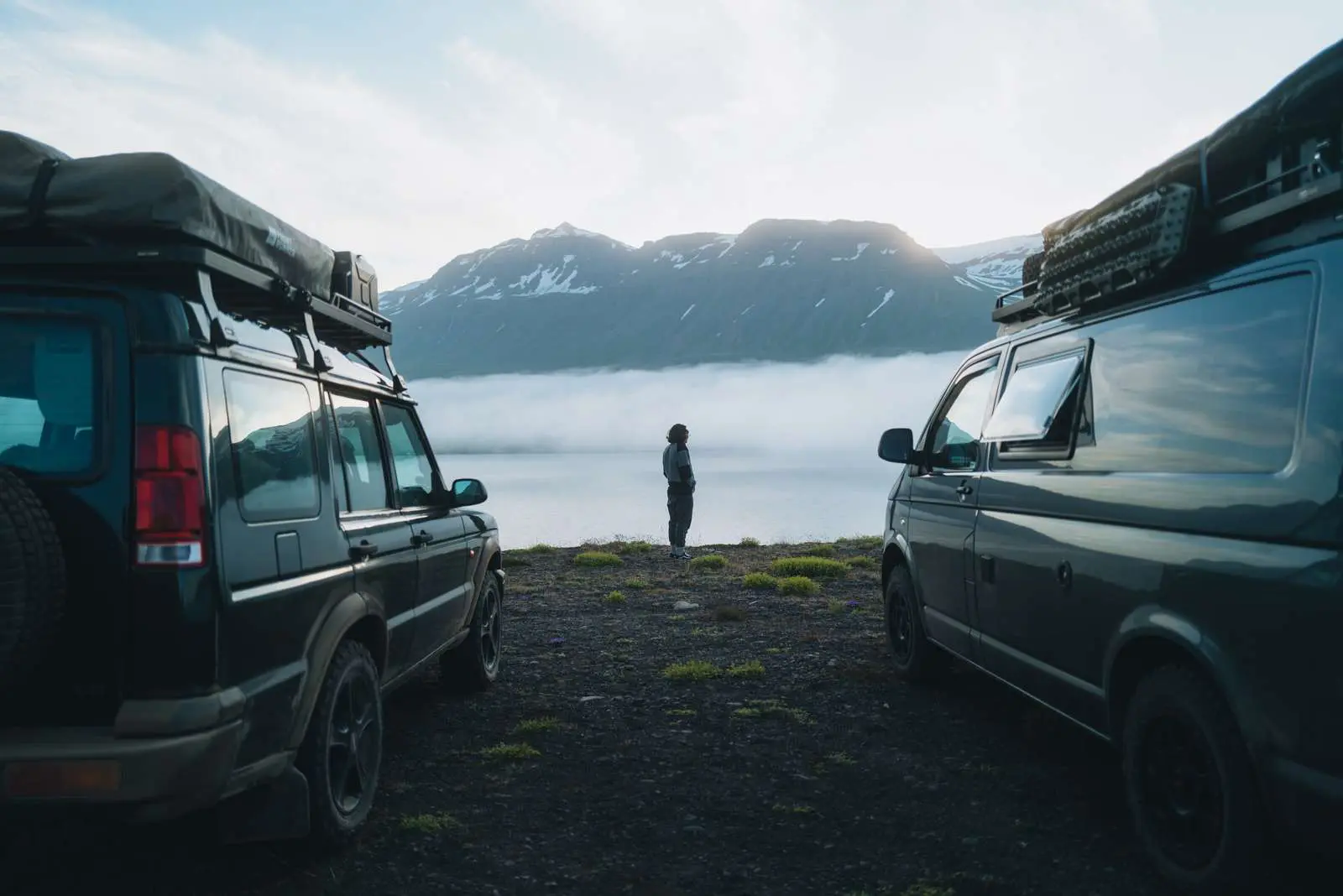
Start Your Iceland Camper Holiday
Wake up surrounded by waterfalls, glaciers and dramatic fjords. Bring your own camper aboard Norröna and experience Iceland one stop at a time. Stay where the scenery captures your imagination, enjoy the comfort of travelling in your own camper and discover a new landscape every morning.